Creating a safe work environment is a top priority in every industry, and one crucial aspect often overlooked is proper ladder safety. Accidents caused by improper ladder use can be prevented by following established best practices and safety protocols. Workers and employers alike can make each job site safer by having a clear understanding of ladder selection, inspection, and proper usage. Experts like Platforms and Ladders offer tools and guidance to ensure the right equipment is chosen every time.
Ladder-related incidents account for thousands of injuries each year. Recognizing hazards and promoting correct procedures can significantly reduce these numbers, thereby promoting occupational health and lowering costs associated with workplace injuries. Everyone on-site, from new hires to seasoned professionals, benefits from a renewed commitment to safety. Education and vigilance create a foundation of trust and security in every project.
According to the National Safety Council, falls are a leading cause of preventable injuries—many of which are directly linked to improper ladder use. When organizations embrace a safety-first culture, it not only protects workers but also improves productivity and morale by fostering confidence in the tools and processes used daily.
Ladders, though simple, require respect and caution. Annual safety refreshers, proper storage, and routine equipment inspections help prevent dangerous scenarios before they begin. Investing time in robust safety procedures pays dividends in the form of reduced injury rates and improved site reputation.
Contents
Importance of Ladder Safety
Ladders are essential tools in construction, warehousing, maintenance, and many other fields. However, neglecting safety protocols remains a top cause of workplace accidents. NIOSH data shows that ladder falls led to more than 800 deaths and over 27,000 nonfatal injuries requiring time away from work in recent years. This alarming statistic emphasizes the importance of implementing the safety initiatives, making hazard prevention a fundamental part of daily routines.
Choosing the Right Ladder
The first step to safe ladder use is selecting the correct one for the job. Factors to consider include:
- Height: Always choose a ladder that allows you to comfortably reach your work area without standing on the top rung or overextending your reach.
- Weight Capacity: Ensure the ladder supports your weight, plus any tools or materials you’ll be using. Ladders are typically rated as Type I, IA, IAA, II, or III, each with a specific weight capacity.
- Material: Fiberglass ladders are preferred for electrical work due to their non-conductive nature, whereas aluminum ladders are lightweight but unsuitable in areas with electrical hazards.
Pre-Use Inspection
Routine inspections are crucial before every use. Carefully examine the ladder for:
- Cracks, splits, or dents in the rails and rungs
- Missing or loose hardware
- Defective locking mechanisms or spreaders
- Slippery substances such as oil, grease, or water that may cause slips
Ladders with noticeable wear or damage should be tagged and removed from service immediately. Failing to inspect equipment routinely leads to many preventable accidents.
Proper Ladder Positioning
How you set up a ladder directly impacts its stability. Follow these guidelines for optimal positioning:
- Place the ladder on a level, stable surface. Use ladder levelers if necessary on uneven ground.
- The ladder’s base should be set one foot out for every four feet in height (the 4-to-1 rule) for extension.
- Secure both the top and bottom to prevent it from shifting while in use.
- Avoid placing ladders in front of doors unless they are locked, blocked, or guarded.
Safe Climbing Techniques
Maintaining the correct posture and keeping your hands free are essential practices:
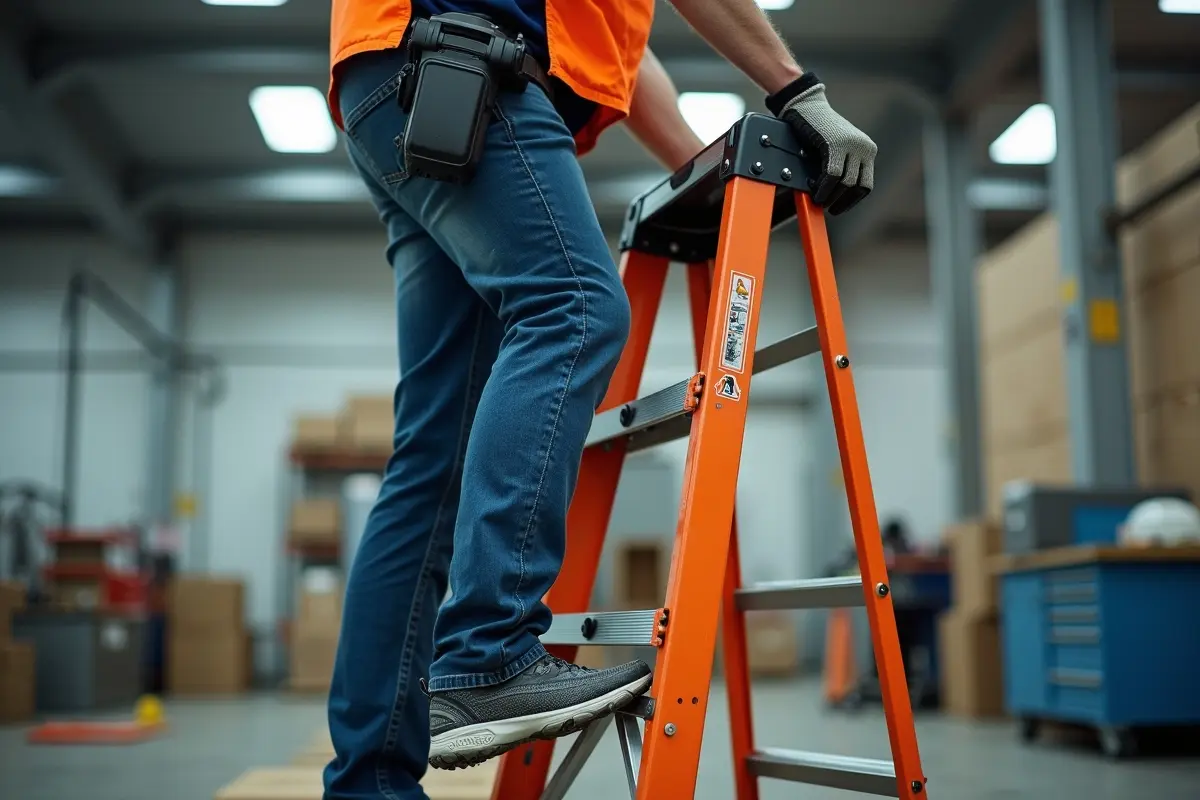
- Always keep three points of contact on the ladder (two hands and a foot, or two feet and a hand).
- Face the ladder when climbing and descending. Avoid twisting or leaning aside to reach objects.
- Never carry equipment in your hands while climbing—use a tool belt or secure materials with a rope and pulley system.
- Do not exceed the highest safe standing level—usually the third rung from the top of a straight or extension, or the second step from the top of a stepladder.
Training and Education
Regular and thorough training ensures everyone on-site understands proper ladder safety. The American Ladder Institute provides free interactive modules suitable for individuals and groups. Incorporating this training into onboarding and annual safety refreshers keeps skills sharp and awareness high. OSHA also recommends frequent retraining when new equipment or job site conditions are introduced.
Regulatory Compliance
Adhering to OSHA’s ladder requirements isn’t just about legal compliance—it’s about creating a culture of safety. OSHA provides comprehensive standards dictating ladder selection, inspection, setup, and use in all industries. These rules set minimum guidelines that protect workers and shield employers from liability, fostering an environment where safety is always a priority. For further information, OSHA maintains regularly updated ladder policies and educational resources on its official site.
Conclusion
Promoting ladder safety through best practices and regular training saves lives and prevents injuries. Selecting the right ladder, performing thorough inspections, positioning equipment properly, employing safe climbing techniques, and ensuring ongoing education are all critical for reducing accidents.
Compliance with OSHA and other regulatory guidelines underpins these efforts, building a culture that values prevention and responsibility. Employers who emphasize these principles help create secure, productive job sites where workers can focus on their tasks with confidence and peace of mind.