Luxury vehicles have long been synonymous with sophistication, performance, and state-of-the-art engineering; however, the modern landscape of luxury cars is more dynamic than ever. Today’s market is driven by refined technology, innovative design, and a holistic focus on customer experience. For those considering an upgrade, exploring Bentley dealers near me can be an entry point into this world of opulence, where buyers seek not just a car but a curated experience.
The contemporary definition of luxury in motoring now extends beyond plush interiors and prestigious badges. Today’s luxury vehicles represent a blend of art and science, where technology and sustainability merge with heritage craftsmanship to produce products offering both environmental consciousness and high performance. Whether you crave cutting-edge driver assistance, sophisticated design, or a seamless digital experience, the market’s range of options continues to grow.
With shifting tastes and a growing desire for environmentally friendly innovations, modern luxury vehicles are not just about status, but about making meaningful, future-focused lifestyle choices. These vehicles provide drivers with more than just transportation—they deliver bright, delightful, and responsible mobility solutions that redefine what it means to drive in comfort and style.
This guide will explore the most significant trends, technologies, and design philosophies defining today’s luxury segment, helping you navigate the impressive range of choices now available. Additionally, resources like The New York Times Automobiles section offer valuable insights into emerging automotive trends, further enriching your understanding of the evolving market.
Contents
Evolution of Luxury Vehicles
Once reliant on old-world craftsmanship and rare materials, luxury cars have steadily adapted to contemporary demands, shifting the definitions of opulence and value. Through the decades, automakers have balanced prestige with innovation, moving from handcrafted wood and leather to intelligent infotainment systems and adaptive control technology.
Modern luxury vehicles offer a seamless integration of comfort, convenience, and digital empowerment, appealing to new buyer priorities around experience and connectivity. Industry observers note that this evolution also reflects a shift towards personalization, with owners seeking vehicles that reflect their unique lifestyles and values. For more on how luxury brands are adapting, see this piece in the Wall Street Journal.
Electrification in the Luxury Segment
Electrification stands as the single most transformative trend in the luxury automotive sector. High-end brands are not only adopting electric powertrains for efficiency, but also leveraging their benefits to enhance ride quality, launch innovative models, and reinforce their commitments to sustainability.
McKinsey & Company’s industry analysis projects that battery-electric vehicles will lead the growth in luxury car sales by the early 2030s, driven by wealthy buyers who are increasingly interested in technology and environmental stewardship. Luxury EVs—from the quiet power of the Mercedes EQS to the bold design of the Lucid Air—provide unparalleled acceleration, quietness, and futuristic interfaces, fundamentally shifting standards in comfort and performance.
Cutting-Edge Technology and Features
Technology defines the modern luxury car experience. Advanced driver-assistance systems provide greater safety and semi-autonomous capabilities. Integrated digital cabins offer many features, including panoramic OLED displays and noise-canceling audio environments. The Lincoln Navigator is a strong example, reimagining interior luxury with its immersive 48-inch screen. Its concert-quality 28-speaker Revel® Ultima 3D Audio System sets benchmarks for digital elegance and multimedia interaction.
Comfort, security, and control are seamlessly merged in modern luxury vehicles. Owners can remotely customize climate settings, check diagnostics, and even summon their vehicles using smart devices. Craftsmanship is evident in details like customizable mood lighting, soft-closing doors, and massage-equipped seating. These features reaffirm that luxury must engage all the senses.
Design and Aesthetics
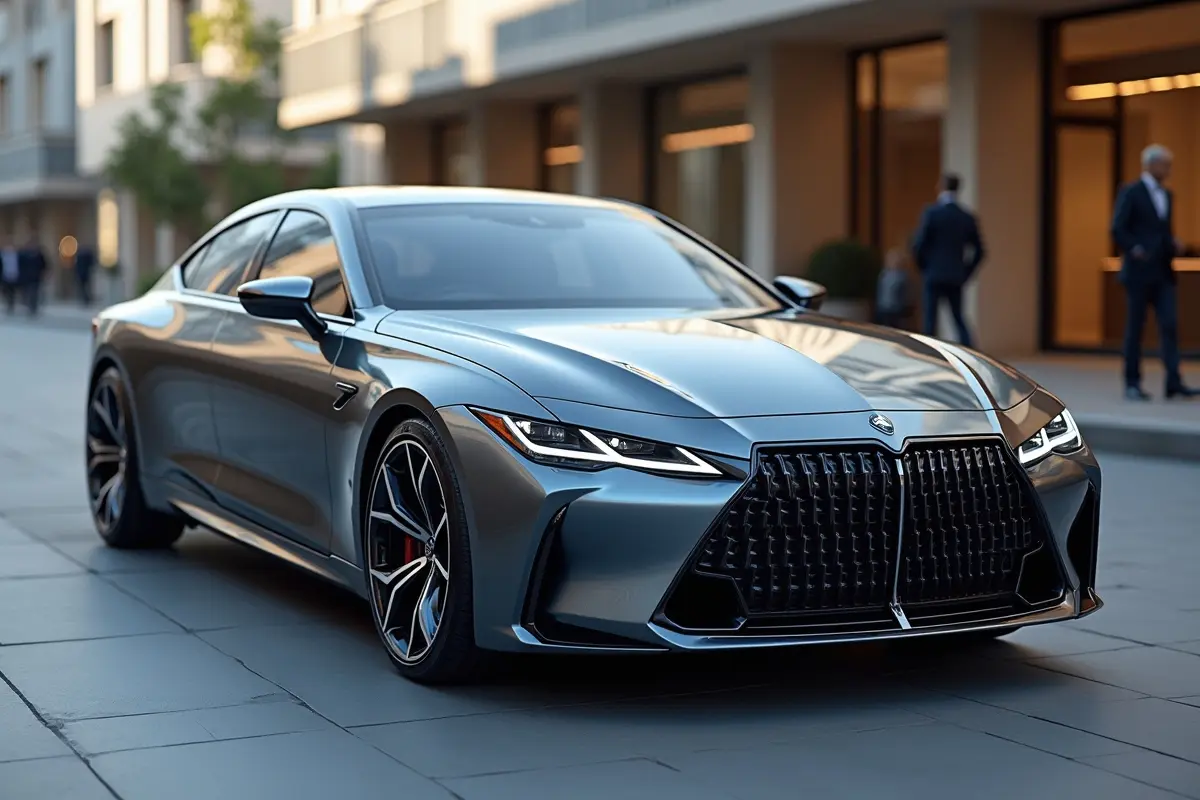
Impeccable design remains a hallmark of luxury vehicles. The contours, materials, and interiors of premium models embody a harmonious balance of innovation and timeless beauty. Contemporary luxury vehicles, such as the Lexus ES, demonstrate how automakers reinterpret classic philosophies for a new era. Its streamlined, fastback-inspired profile, minimalist dash, and tactile, sustainable materials reflect both heritage and a forward-thinking vision.
The ethos is straightforward: modern luxury design is as much about restrained elegance as it is about bold innovation. For a deeper look into recent trends in automotive styling and interiors, visit Car and Driver’s interior picks.
Performance and Engineering
Performance is where luxury automakers express their engineering prowess. Vehicles such as the Mercedes-Benz S-Class (W223) blend raw power with sublime ride quality. They offer advanced engine choices alongside intelligent suspension systems. These systems adapt instantly to road conditions.
Luxury performance involves more than just acceleration. It is about the confidence and serenity with which the car moves, cornering with poise. The experience also requires isolating passengers from external noise and disturbance. This balance between thrilling capability and effortless control is meticulously crafted, keeping the drive exhilarating yet composed.
Sustainability and Eco-Friendly Initiatives
Luxury automakers now view sustainability as integral to brand value and product desirability. From vegan leather interiors to recycled materials in dashboards, every element is scrutinized for environmental impact.
The restomod trend updates classic models with electric drivetrains and modern amenities. This not only preserves automotive heritage but also reflects modern eco-priorities. Companies electrifying classic Rolls-Royce and Jaguar models offer a clear example of this approach. Such innovation signals the industry’s commitment to combining timeless luxury with responsible stewardship for the planet.
The Future of Luxury Vehicles
The future of luxury will be defined by deeper personalization, expanded digital integration, and uncompromising environmental standards. Artificial intelligence, autonomous driving, and smart connectivity will continue to reshape the definition of owning a luxury vehicle.
Tomorrow’s automotive experiences will be more intuitive, catered, and sustainable. Exclusive manufacturers are pushing boundaries to deliver more than just vehicles. They are creating sophisticated extensions of their clients’ lifestyles and aspirations.