
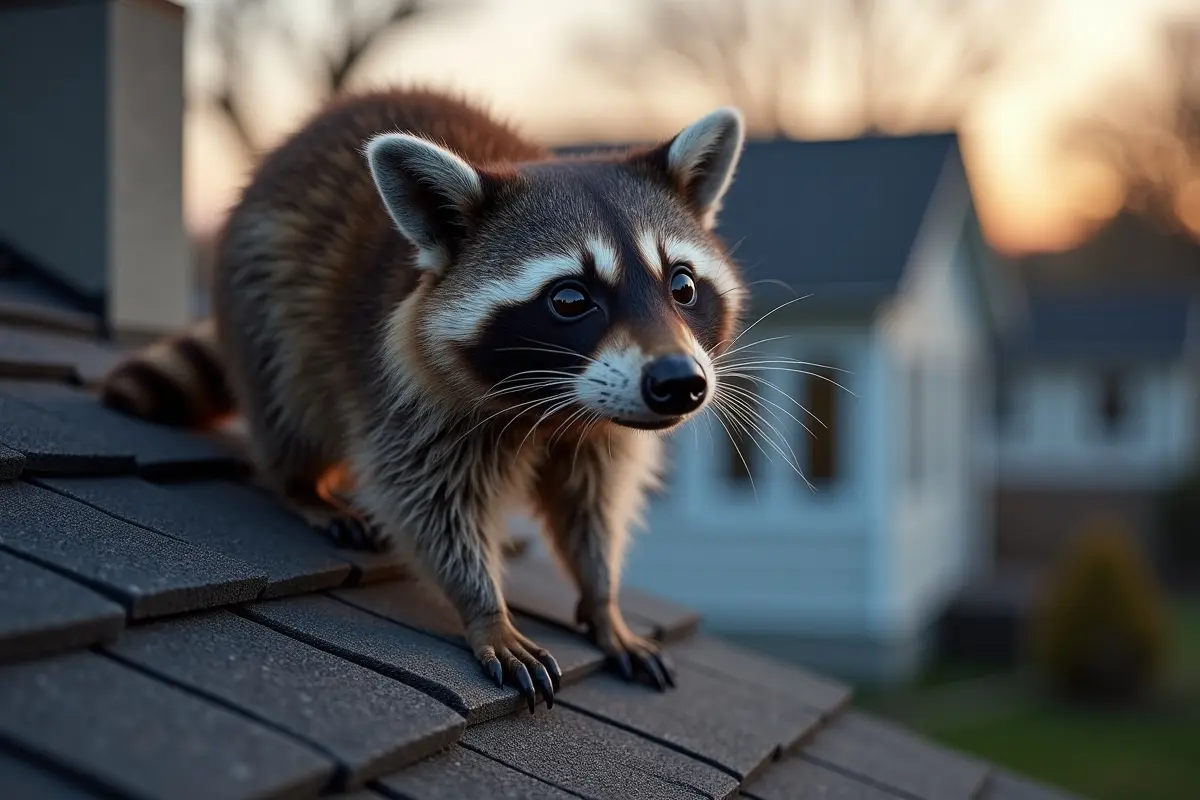
In urban environments, encounters between people and wildlife are increasing as city boundaries expand into natural habitats. This often leads to unique challenges, from raccoons rummaging through trash to squirrels nesting in attics. Addressing these situations calls for strategies that prioritize the well-being of both residents and animals. For those seeking responsible options, professional animal removal services can offer effective and humane solutions while ensuring safety and legal compliance.
By learning to coexist with local wildlife and adopting preventive measures, communities can enjoy the presence of urban animals without experiencing the downsides of property damage or health risks. Embracing ethical practices is more crucial than ever as cities continue to grow and animal habitats shrink.
Common approaches to urban wildlife management now emphasize methods that prevent harm, such as improved waste management, structural repairs, and public awareness campaigns. Understanding animal behavior and respecting ecological balance are keys to long-term success.
Contents
Understanding Urban Wildlife
Wildlife species such as raccoons, opossums, birds, squirrels, and even foxes have adapted to city life, thriving in parks, backyards, and abandoned structures. Their adaptability stems from easy access to food from garbage, gardens, or pet dishes, as well as available shelter in attics, chimneys, and under decks. Recognizing their habits not only reduces surprise encounters but also encourages safer, more humane approaches to conflict resolution.
Practical animal intrusion prevention strategies, such as securing trash bins, sealing entry points, and keeping pet food indoors, can dramatically reduce the chance of unwanted guests. Scheduling outdoor waste collection and eliminating rodent nesting spots further strengthen these preventative measures.
Why do animals choose urban settings? Cities provide reliable food and shelter, but also pose unique dangers, such as vehicles, pollution, and fewer natural predators. Urban residents should keep in mind that these animals are responding to environmental pressures, not acting maliciously. Greater empathy and knowledge, combined with thoughtful intrusion prevention, can transform nuisance situations into opportunities for peaceful coexistence.
Common Urban Wildlife Issues
Property damage, health risks, and noise disturbances are among the most frequent wildlife-related concerns. For instance:
- Raccoons are notorious for overturning garbage bins and nesting in attics or chimneys.
- Squirrels chew on electrical wires and wooden structures, sometimes leading to costly repairs or even house fires.
- Birds such as pigeons and starlings roost on rooftops, leaving droppings and sometimes spreading disease.
Each animal presents distinct challenges and requires species-specific strategies for deterrence and removal.
Preventive Measures
Taking action before animals become a problem is the most humane solution. Effective strategies include:
- Use secure trash cans with locking lids or bungee cords to deter scavengers.
- Repairing damaged soffits, vent covers, and roof tiles to close off entry points to your home.
- Removing outdoor food items, such as uncovered pet food or fallen fruit, which can attract a variety of wildlife.
- Increasing lighting or installing motion-activated deterrents in vulnerable locations.
Long-term vigilance and regular maintenance are critical.
Humane Removal Techniques
Once an animal has entered, removal must prioritize the animal’s welfare. Humane dos and don’ts include:
- Using one-way doors or exclusion devices that let animals leave but prevent re-entry, particularly for mother animals during nesting seasons.
- Employing live-capture traps only if relocation to safe, species-appropriate habitats is guaranteed and disruption to local ecosystems is minimized.
- Blocking reentry after making sure all wildlife has exited, especially before sealing attics, vents, or crawl spaces.
Always follow local regulations regarding wildlife transport and consult wildlife professionals if in doubt.
Legal and Ethical Considerations
Many regions regulate wildlife management to protect both animals and people. Migratory birds, bats, and certain mammals may be protected by federal or state laws, making it illegal to harm, disturb, or relocate them without a license. Ethical approaches favor patience and deterrents over violent or harmful traps. Compassionate solutions reflect the values of vibrant urban communities and ensure the ongoing survival and health of wildlife populations amidst city life.
When to Seek Professional Help
Certain scenarios require expert intervention—for example, with aggressive animals, large infestations, or regulated species. Certified wildlife professionals ensure humane removal that adheres to current legal standards and provides lasting solutions to prevent future problems. Professional services can also address structural vulnerabilities and offer insights for ongoing prevention.
Community Involvement
Solving urban wildlife issues is most effective when communities unite. Programs like the Humane Society’s Wild Neighbors initiative share resources and educational tools to help neighborhoods reduce conflicts and adopt best practices. Community involvement is essential for the broad adoption of humane wildlife management policies and for fostering respect for local ecology. Neighborhood watch programs and municipal briefings can further support responsible wildlife management.
Conclusion
Choosing humane solutions for urban wildlife challenges means prioritizing prevention, compassion, and legality. From securing trash bins to learning about species’ habits and involving local professionals and community initiatives, every action plays a role in ensuring wildlife and humans can live together more harmoniously. Staying informed, vigilant, and proactive strengthens both residential safety and the urban ecosystem around us.