
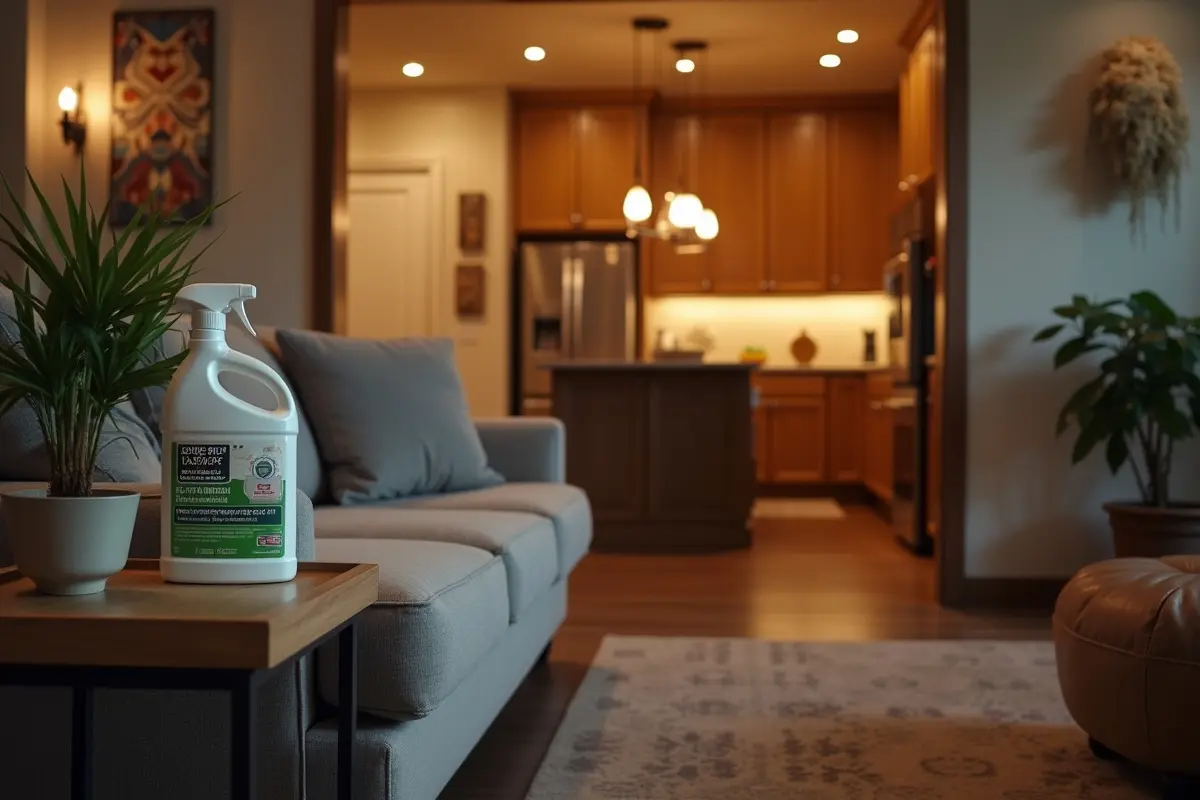
Texas homes in the Dallas-Fort Worth, Houston, Austin, and San Antonio areas can face pest pressure throughout much of the year. Heat, rain, irrigated landscaping, and everyday household moisture can all create conditions that make a home more appealing to insects and rodents. A practical prevention routine helps reduce access to food, water, and shelter before a small issue becomes a larger one.
This room-by-room plan focuses on realistic home-care habits for Texas residents. For households that need help identifying persistent activity or inspecting difficult areas, professional pest-control services from romneypestcontrol.com offer local information for several major Texas metro areas.
Why Warm-Climate Homes Need a Simple Pest Plan
Pests generally seek dependable food, water, and safe places to hide. A single insect indoors does not always indicate an infestation, but repeated sightings in the same area deserve a closer look. Integrated pest management starts with prevention: remove attractants, close entry points, manage moisture, and use treatment products only when needed and carefully.
Start With a Quick Exterior Inspection
Many indoor pest concerns begin at the home’s exterior. Once a month, walk slowly around the foundation, doors, windows, roof edges, and utility connections. Look for damaged screens, worn door sweeps, cracks near the foundation, gaps around pipes and cables, and standing water near gutters or faucets.
Mice can fit through openings about the width of a pencil, so even small gaps matter. The CDC advises homeowners to check interior and exterior openings, seal gaps, protect food, and reduce outdoor harborage when preventing rodents from getting inside.
Kitchen and Pantry Prevention
The kitchen combines food, warmth, water, and tight hiding spaces. Make it part of the daily reset rather than a major weekly task.
- Store cereal, flour, rice, snacks, and pet food in sealed containers.
- Wipe crumbs, grease, and spills from counters, cabinets, and appliance edges.
- Clean under the refrigerator, oven, toaster, and countertop appliances.
- Empty trash regularly and rinse food residue from recycling.
- Check packages for holes, webbing, insects, or unusual powdery residue.
- Repair leaks under sinks and dry cabinet floors promptly.
Bathrooms, Laundry Rooms, and Moisture
Moisture can make bathrooms and laundry areas especially attractive to pests. Repair dripping faucets, slow drains, and washing-machine leaks. Run exhaust fans during showers and afterward, hang damp towels to dry, and inspect caulk around tubs, sinks, and toilets. Recurring drain odors or damp flooring should not be ignored.
Bedrooms, Living Areas, and Storage Spaces
Living spaces often provide shelter more than food. Vacuum along baseboards and beneath furniture, inspect window frames and screens, and reduce stacks of paper, cardboard, clothing, and unused packaging. Keep stored belongings slightly away from walls where possible, and use clear plastic bins for seasonal clothing and decorations so activity is easier to spot.
Garage, Attic, Crawl Space, and Utility Areas
Low-traffic spaces can hide a problem for longer. Check around water heaters, furnaces, utility lines, attic vents, crawl-space openings, and stored boxes. Keep cardboard, fabric, and firewood off damp floors. Watch for gnaw marks, droppings, nests, damaged insulation, mud tubes, or discarded insect wings. Close garage doors fully when they are not in use.
Outdoor Areas That Can Draw Pests Indoors
Yard care supports indoor prevention. Trim shrubs, vines, and tree branches away from walls and rooflines. Keep grass and weeds from crowding doors and vents. Remove fallen fruit, wet leaf piles, and containers that hold rainwater. Outdoor trash cans should have secure lids, while grills, pet bowls, and outdoor food areas should be cleaned after use.
A Seasonal Pest Prevention Calendar for 2026
Winter
Check door sweeps and weatherstripping, inspect attics and garages, and keep pet food and birdseed sealed.
Spring
Clean gutters, repair screens, remove standing water, and trim new plant growth away from the house.
Summer
Pay close attention to food waste, moisture around irrigation, shaded exterior areas, and doors that are frequently opened.
Fall
Seal exterior gaps, inspect firewood and storage areas, and look for rodent activity near foundations, rooflines, and utility openings.
Safe Use of Traps, Baits, and Pesticides
Identify the pest before choosing a product. Use traps, baits, and pesticides only in locations and for pests listed on the label. Keep products away from children and pets, never mix pesticides, and do not use an outdoor product indoors unless its label permits that use. The EPA emphasizes that home prevention begins by limiting food, water, shelter, and entry points, while pesticide labels must be followed carefully when keeping pests under control at home.
Warning Signs That Need Fast Attention
- Fresh droppings, urine marks, or repeated sightings in one room.
- Gnawed food packaging, wiring, wood, or insulation.
- Mud tubes, damaged wood, or discarded wings.
- Unusual odors from cabinets, walls, or storage spaces.
- Nests, egg cases, shed skins, or clusters of insects.
When DIY Prevention Is Not Enough
Arrange a careful inspection when activity continues after cleaning, sealing, and moisture repairs, or when pests appear in multiple rooms. Professional help is also sensible for suspected termites, bed bugs, stinging insects, recurring rodent infestations, or pests in inaccessible walls and ceilings. Ask what pest was identified, where activity was found, what preparation is required, and how follow-up will be handled.
Frequently Asked Questions
How often should a Texas home be checked for pests?
Complete a quick monthly inspection, with extra checks after heavy rain, plumbing leaks, extreme heat, or major yard work.
Does a clean home still need pest prevention?
Yes. Cleaning reduces available food, but pests can still enter through gaps, moisture issues, landscaping contact, stored materials, or shared walls in multifamily housing.
What should happen after finding rodent droppings?
Avoid sweeping or vacuuming dry droppings. Follow public health cleanup guidance, identify potential entry points, and seek help if the activity is widespread or inaccessible.
Conclusion
Effective pest prevention is routine home maintenance. Sealed food, dry rooms, tidy storage, trimmed landscaping, and regular inspections can make Texas homes less welcoming to unwanted pests throughout 2026.