
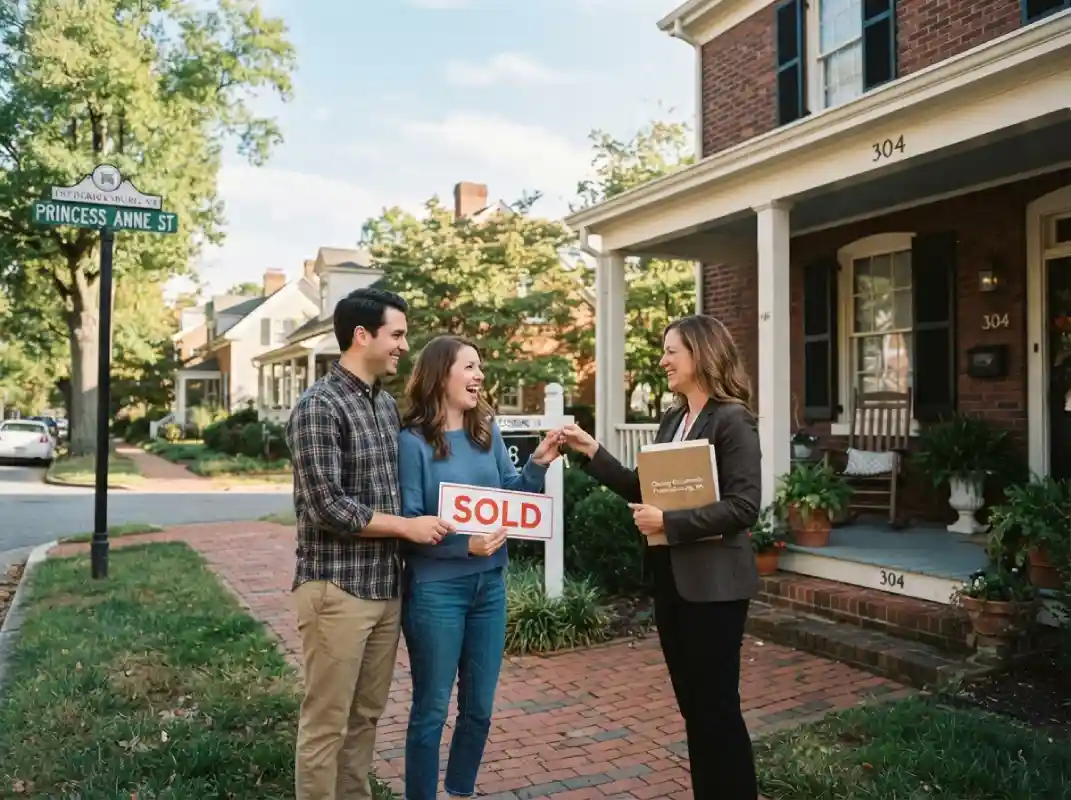
Buying a home in Fredericksburg is about more than finding the right number of bedrooms or a kitchen that photographs well. The best choice is one that makes ordinary weekdays easier, from the morning drive to work to evening errands, weekend plans, and the amount of upkeep you can realistically manage.
Buyers comparing Fredericksburg VA homes for sale can use Tracey Farmer’s local property-search resource to explore listings across Fredericksburg and nearby areas such as Spotsylvania, Stafford County, Orange County, King George, and Caroline County. With search options for single-family homes, townhomes, condos, land, and other property types, the resource is useful for buyers who want to compare homes and communities before narrowing their choices.
Start With a Clear Picture of Daily Life
Before scheduling tours, think through a typical week. A home that feels ideal during a brief Saturday showing may feel very different after a few months of commuting, grocery runs, school drop-offs, yard work, and appointments.
Write down the routines that matter most to your household:
- Where each household member works, studies, or regularly travels.
- Whether anyone commutes toward Washington, Northern Virginia, Richmond, or nearby military facilities.
- How often you need access to shopping, health care, parks, restaurants, or public transportation.
- Whether you want sidewalks and nearby activity, a neighborhood setting, or more land and privacy.
- How much time and money you are comfortable putting toward maintenance and home projects.
Fredericksburg sits between Washington, D.C., and Richmond, and the wider area includes an independent city as well as surrounding counties. That combination gives buyers many location choices, but it also means two homes with similar prices can create very different daily routines. A quick review of Fredericksburg’s location and regional setting can help put those choices into perspective.
Compare Commute Time, Not Just Miles
Mileage is only one part of a commute. Road conditions, time of day, parking, tolls, rail access, and alternate routes can all affect how convenient a location feels. Before making an offer, test the trip from the home to the places you visit most often.
- Drive the route during the same hours you would normally leave for work or school.
- Repeat the trip during the evening return window.
- Check at least one alternate route in case of traffic, road work, or an accident.
- Estimate recurring costs such as fuel, parking, tolls, and vehicle maintenance.
- Consider whether the location would still work if your job schedule or workplace changed.
A longer drive may be worthwhile for more space, a quieter setting, or a different home style. The important question is whether the tradeoff works for your household on a normal Tuesday, not only on the day you tour the property.
Photorealistic wide establishing shot of a residential neighborhood in Fredericksburg, Virginia, with a mix of homes, tree-lined streets, and a distant view toward the surrounding roads and rolling landscape, captured in soft natural daylight to convey everyday living, commute access, and regional scale.
Match the Home Type to Your Routine
Different property types create different responsibilities. Think beyond the layout and consider what ownership will require over time.
- Single-family homes can offer privacy, storage, and outdoor space, but they often come with more yard care and exterior maintenance.
- Townhomes may reduce yard responsibilities and can be a practical fit for buyers who prefer a more compact property. Shared walls and homeowners association rules should be reviewed carefully.
- Condos can simplify exterior maintenance, although buyers should understand monthly fees, insurance responsibilities, and community restrictions.
- Historic homes may appeal to buyers who value character and central locations, but older systems, repairs, and renovation requirements deserve added attention.
- Rural properties can provide land and privacy, while also requiring buyers to evaluate wells, septic systems, private roads, internet availability, and longer trips for services.
Build a Budget Beyond the Mortgage Payment
A comfortable purchase budget accounts for the full cost of owning the home, not just principal and interest. Ask for estimates and compare each property using the same categories.
- Property taxes and homeowners insurance.
- Association dues, if applicable.
- Utilities, internet service, and seasonal energy use.
- Routine maintenance such as landscaping, gutter cleaning, pest control, and HVAC service.
- Likely future replacements, including roofing, appliances, heating and cooling equipment, or windows.
- Transportation costs created by the location.
A lower-priced house is not automatically the lower-cost choice. A property that needs immediate repairs or adds substantial commuting costs can place more strain on a household budget than a home with a higher list price and fewer near-term demands.
Study the Neighborhood at Different Times
One visit cannot show you everything. Return at different times to see how the area functions when residents are leaving for work, returning home, parking, walking dogs, or spending time outdoors.
- Visit on a weekday morning and again during evening traffic.
- Drive through on a weekend to get a sense of activity and parking.
- Listen for traffic, rail, commercial activity, or other recurring noise.
- Look at street lighting, sidewalks, drainage, road condition, and nearby construction.
- Time the trip to grocery stores, medical offices, recreation, and other routine destinations.
It is also wise to ask about planned development, local services, zoning, and association rules. These factors can influence your day-to-day experience and may affect how flexible the property feels in the future.
Review Property Condition With Care
Fresh paint and staged furniture can make a strong first impression, but they do not replace due diligence. A qualified home inspection can help identify visible concerns and give buyers a clearer picture of potential maintenance needs.
Pay particular attention to the age and condition of the roof, heating and cooling systems, plumbing, electrical service, windows, drainage, foundation areas, and appliances included in the sale. Ask for repair records when available, review seller disclosures carefully, and consider which items could become early expenses after closing.
Compare City, County, and Nearby Area Differences
The broader Fredericksburg region gives buyers choices across multiple jurisdictions and community types. Confirm details for each specific address rather than assuming services or rules will be the same from one area to another.
- Verify taxes, utilities, trash collection, and road maintenance.
- Confirm school boundaries directly with the appropriate school division.
- Review zoning and nearby development plans when they matter to your decision.
- Check whether the home uses public water and sewer, a well, or a septic system.
- Read homeowners association documents before committing to a property governed by an association.
Use a Simple Home Comparison Scorecard
A scorecard can help you compare homes with a clear head after several tours. Give every category a score from one to five, then write a short note explaining the rating.
- Commute: Does travel time work during a normal weekday?
- Monthly cost: Do the full ownership costs fit comfortably within your budget?
- Condition: Are needed repairs manageable during the first few years?
- Location: Are routine services and activities convenient enough?
- Future fit: Will the home still suit your needs if work, family, mobility, or hobbies change?
Final Questions Before Making an Offer
What should come first, location or cosmetic features?
Prioritize the factors that are hardest to change, including location, commute, budget, lot characteristics, and overall condition. Paint colors, fixtures, and many cosmetic details can be updated later.
Is a larger home always better?
Not necessarily. Extra square footage can mean more flexibility, but it can also bring higher utility use, cleaning time, furnishing costs, and maintenance responsibilities.
Should resale potential matter?
Yes. Even buyers who expect to stay for years should consider whether the home has a practical layout, reasonable upkeep requirements, and features that could appeal to future buyers.
Choose the Home That Works After Closing Day
The right Fredericksburg home is not always the newest, largest, or most upgraded option. It is the home that supports your routine, fits your complete budget, and gives you confidence about the years ahead. By comparing commute time, neighborhood feel, condition, ownership costs, and future flexibility, buyers can make a decision that feels just as sound on an ordinary weekday as it does during the first showing.