
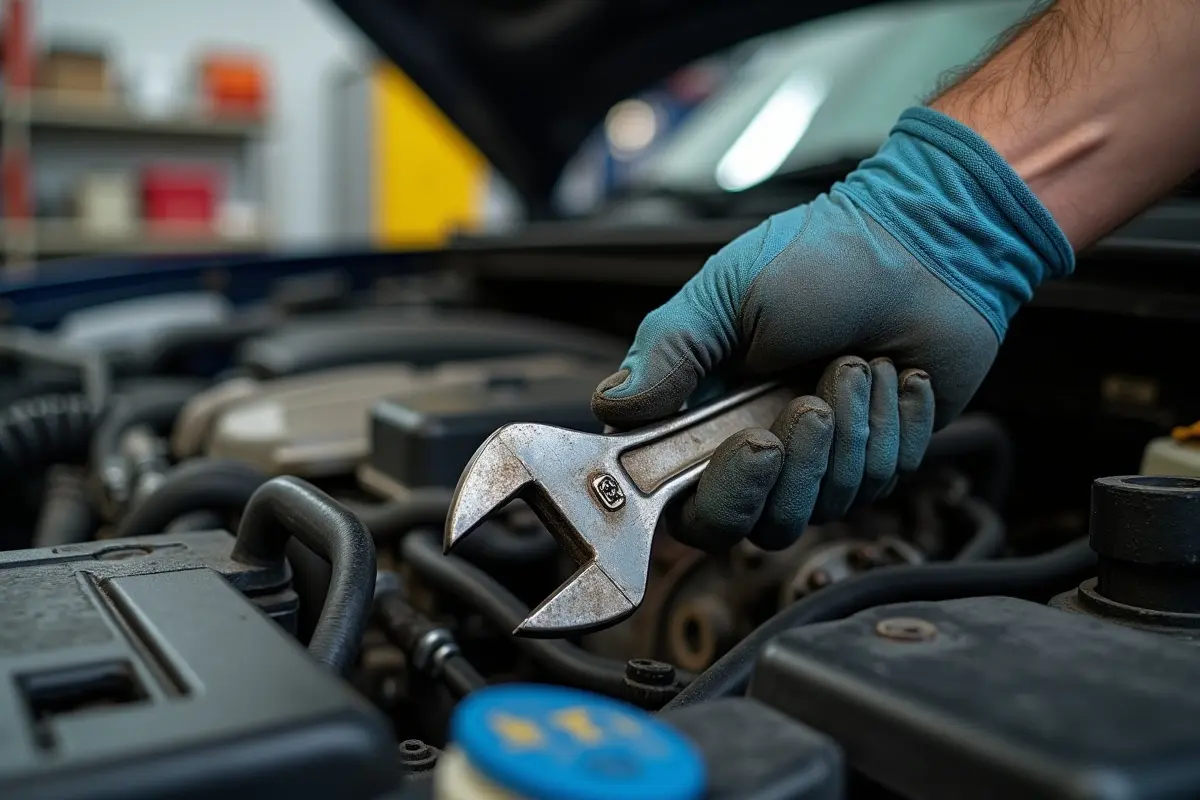
Long vehicle life rarely comes from a single complicated repair or an expensive upgrade. It usually comes from small, consistent habits that reduce wear, reveal developing problems early, and help drivers make informed service decisions. Whether you drive a daily commuter, family SUV, work truck, or older vehicle with high mileage, a practical maintenance routine can improve dependability and safety.
Drivers do not need to become expert mechanics to take better care of a vehicle. They need a clear schedule, attention to warning signs, and help from qualified professionals when a repair involves safety or specialized equipment. For service information and vehicle ownership resources, learn more about maintaining a dependable driving routine. A proactive approach to maintenance can help keep your vehicle ready for everyday responsibilities, family trips, and the miles ahead.
Why Small Maintenance Tasks Matter
A vehicle can continue running while a small problem develops in the background. Low tire pressure may not be obvious from the driver’s seat, a slow fluid leak can worsen over time, and worn brake components may provide warning noises before performance is seriously affected. Catching concerns early can help prevent inconvenient breakdowns and avoidable damage.
Maintenance needs are not identical for every vehicle. Age, mileage, climate, road conditions, towing, stop-and-go traffic, and frequent short trips all matter. A vehicle that sits often still needs attention because batteries, rubber components, and fluids can age even when miles are low.
Start With the Owner’s Manual
Your owner’s manual is the best starting point for maintenance timing. It explains both mileage-based and time-based recommendations for oil and filter changes, tire rotations, brake inspections, coolant service, transmission fluid checks, and cabin or engine air filter replacement.
Use the schedule as a baseline, then consider whether your driving qualifies as severe service. Frequent short trips, dusty roads, extreme temperatures, heavy loads, towing, and long periods of idling can require more frequent maintenance. Do not assume a generic service reminder applies perfectly to every vehicle or driving pattern.
Build a Simple Monthly Checkup
A monthly walk-around takes only a few minutes and can uncover concerns before they grow. Park on level ground, use good lighting when possible, and make the following checks part of your routine:
- Walk around the vehicle and look for fresh dents, damaged glass, loose trim, or body damage.
- Check headlights, taillights, brake lights, turn signals, and license-plate lights.
- Inspect tires for low pressure, uneven wear, cracks, bulges, or objects in the tread.
- Look beneath the vehicle for fresh fluid spots or wet areas.
- Confirm the windshield washer reservoir is filled.
- Pay attention to new squeaks, rattles, grinding, clicking, odors, or vibrations.
- Make sure dashboard warning lights are not being ignored.
Tire Care Supports Safety and Comfort
Tires affect braking, steering, ride quality, and fuel use, so they deserve regular attention year-round. Check tire pressure at least once a month and before long trips, preferably when the tires are cold. Use the recommended pressure listed on the driver’s door label or in the owner’s manual, not the maximum pressure molded into the tire sidewall.
The federal guidance on tire pressure, tread, rotation, and alignment reinforces why monthly inspections matter. Look across each tire for uneven wear, and schedule an alignment inspection if the vehicle pulls to one side, the steering wheel sits off-center, or tires wear faster on one edge. Replace damaged tires rather than relying on a temporary repair for a long-term solution.
Fluids That Deserve Regular Attention
Engine oil reduces friction and heat, coolant helps control temperature, brake fluid supports hydraulic braking, transmission fluid lubricates internal components, and washer fluid helps preserve clear visibility. Check levels only as the manual directs. Never open a hot cooling system, and never mix fluid types without confirming the correct specification.
Protect the Engine With Better Driving Habits
Daily habits can have a real effect on long-term wear. Avoid hard acceleration when the engine is cold, and allow normal driving to bring it to operating temperature instead of extended idling. Brake early and smoothly when traffic permits, avoid carrying unnecessary weight, and use the fuel grade and oil specification recommended for your vehicle.
Pay attention when performance changes. Rough idling, reduced fuel economy, unusual exhaust smells, hesitation, or a new engine sound should be investigated rather than dismissed as normal aging.
Stay Ahead of Brake and Battery Problems
Brake Warning Signs
- Squealing, scraping, or grinding noises
- A soft, sinking, or unusually firm brake pedal
- Vibration while braking
- Pulling to one side during braking
- A brake warning light
Battery Warning Signs
- Slow engine cranking
- Dim lights or inconsistent electrical features
- Repeated jump-starts
- Visible corrosion around battery terminals
- A battery or charging system warning light
Modern electrical systems can be complicated, so battery testing and electrical diagnosis are often best left to a professional. When arranging repairs, ask for written estimates and keep the final repair order.
Seasonal Maintenance
- Spring: Inspect tires after winter, replace worn wipers, clean away road salt, and test the air conditioning.
- Summer: Check coolant condition, monitor tire pressure during temperature swings, test the battery, and restock emergency supplies before road trips.
- Fall: Inspect all exterior lights, check the heater and defroster, replace tired wiper blades, and review tire condition before colder weather.
- Winter: Use freeze-resistant washer fluid, avoid keeping the fuel tank nearly empty in severe weather, check the charging system, and carry an ice scraper, flashlight, blanket, and emergency kit.
Know What to Do Yourself and What to Leave to a Professional
Many drivers can check tire pressure, add washer fluid, inspect lights, replace wiper blades, and review visible fluid levels. Some vehicles also make cabin or engine air-filter replacement straightforward, but the manual should confirm the procedure.
Brake repairs, airbag work, electrical diagnostics, wheel alignment, suspension repairs, cooling system repairs, transmission service, and serious warning lights should be handled by a qualified technician. These systems can affect safety, require special tools, or need precise procedures.
Keep Better Maintenance Records
Record the date, mileage, work completed, parts and fluids used, inspection results, receipts, and future recommendations after each visit. Organized records make it easier to spot repeat concerns, plan upcoming maintenance, support warranty claims, and give a future buyer more confidence in the vehicle’s history.
A Practical Maintenance Checklist
- Every drive: Notice any warning lights, odd sounds, smells, vibrations, or changes in handling.
- Monthly: Check tires, lights, wipers, fluids, and visible leaks.
- Every few months: Review the owner’s manual and inspect wear items.
- Before a road trip: Check tire pressure, oil, coolant, lights, battery condition, and emergency supplies.
- At every service visit: Record mileage, completed work, and the next recommended appointment.
Conclusion
Reliable vehicle ownership is built through simple actions repeated over time. A monthly inspection, timely service, careful driving, and prompt attention to warning signs can help reduce unnecessary wear and make repairs easier to manage. The goal is not to do every job yourself. It is about recognizing changes early, following the right schedule, and getting professional help when it matters most.